Brain Injuries and conditions which we treat
We provide rehabilitation and support for people with neurological conditions, including those who have had a traumatic brain injury or stroke related brain injury.
We base our support the on the needs of individuals and work either shorter term intense rehabilitation or pace the longer-term rehabilitation and care for people who need the slower stream rehabilitation. Our specialist team guide the individual through their programme working with the referring team, and the family or those who will be with the individual long term.
At Manton Heights ABI unit we have the additional option of provision as we are able to help people see how they would manage on discharge. We have two purpose-built bungalows in which independence levels and needs can really be assessed yet still with the safe knowledge of being within the ABI unit grounds and monitored and serviced by our team.
These bungalows can help an individual, care manager or local authority know in advance what adaptations or support package an individual requires before they go home. This gives time, helps to minimise risks and avert failed discharges.
Specialist respite care is available and enquiries can be made to the unit manager
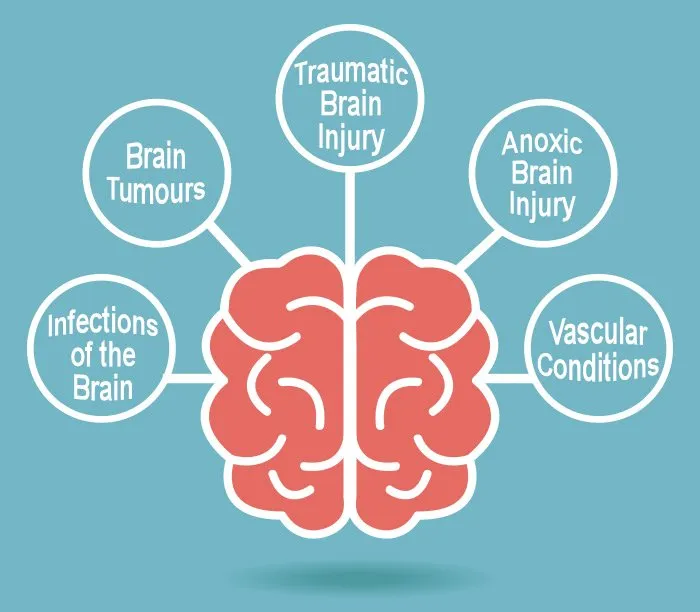
We support and care for people with Conditions including:
- Traumatic Brain Injury
- Anoxic (lack of oxygen) Brain Injury
- Vascular Conditions
- Infections of the Brain
- Brain Tumours
Cognitive Rehabilitative Support
Following a brain injury (regardless of the type), people may experience a number of challenges associated with concentration, memory and / or carrying out a number of tasks at the same time.
Those are known as cognitive tasks and are frequently very difficult to manage – both for the resident and how they interact with others. Our team will employ a number of techniques to support our residents in overcoming some of those difficult issues.

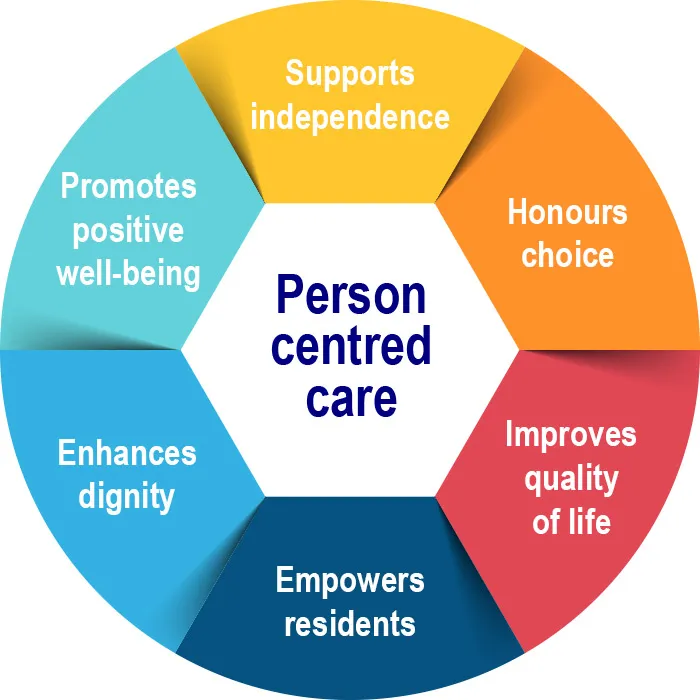
Person-centered approach
We construct a person-centred rehabilitation plan aimed to enhance the independent capabilities of people who have experienced the life changing effects of a brain injury. This action plan is created by our team of specialists, and is agreed with the individual and their family.
Rehabilitation goals are agreed with the individual, and their family if appropriate, and the team will work to agree SMART steps to make achievement possible. The benefit of the SMART steps toward goal achievement is that the programme on interventions to achieve the steps can be regularly updated and keep abreast of the changes people make.
We review the programmes and achievements regularly and use evidence-based outcome measures that are nationally recognised in rehabilitation services. These include the Northwick Park Rehabilitation Complexity Scales and the FIM/FAM (Functional Independence Measure / Functional Assessment Measure).
Challenging Support
This residential service is for people who have impairments associated with a brain injury or a neurological condition. Following brain injury there may be some changes to behaviour that make it difficult for an individual to participate in everyday activities and may have socially challenging behaviour that need psychological interventions and team consistency in a residential setting to support the changes needed.
Find Our Centre
Nestled in the Manton Heights area above the town and close to the countryside, the unit is located approximately five minutes’ drive from Bedford Town Centre and the main train station, please click here [2] to find out more.
<!--
Individuals may also need regular medical investigations or monitoring; those services are not easily available in a residential setting or in their own home.
Our aim is to help people participate in everyday activities enabling them to be as independent as possible. Individuals will receive Physiotherapy, Occupational Therapy and, if required, Speech and Language Therapy to assist with their communication.
Symptom Management
The team, led by our Neuropsychiatrist, will determine strategies for managing complex symptoms that may affect the rehabilitation process. For example, as a consequence of their injury, a number of our residents may have muscle spasticity which may be both painful and restrict movement. Those presenting with such symptoms will be assessed and receive interventions to improve function and quality of life.
Slow Stream Rehabilitation
This is a longer period of less intense rehabilitation. It’s designed for people who need more time to re-learn skills of everyday life before returning to live independently if possible. They may or may not have previously had some specialist rehabilitation.
Individuals learn the skills of independent living in a safe environment while still benefiting from support of a Multi-Disciplinary Team.
Our service based in Bedford also offers two independent living bungalows, which can support people to transition from our service and return back into the community or their family home.

Respite Care
This service is available to people with a brain injury or neurological condition who live at home or in a supported-living environment.
Respite care can provide a much-needed break for individuals and their families. It can also provide an opportunity for a person to have their medical needs reassessed and care prioritised.
-->